Normal vs Abnormal Discharge During Pregnancy Hey there, sweet mama-to-be. If this is your first pregnancy, I know your heart is probably overflowing with joy, a touch of wonder, and maybe a few butterflies about all the new changes in your body. You’re growing a little miracle inside, and it’s totally normal to notice things like vaginal discharge shifting a bit.
You’re not alone in this—millions of moms have walked this path before you. In this guide, we’ll chat gently about what’s typical and what might prompt a quick call to your doctor. Think of it as a cozy conversation over tea, just to help you feel more at ease during this beautiful journey
Why Discharge Increases During Pregnancy
As your pregnancy progresses, your hormones like estrogen and progesterone are working overtime. These helpers increase blood flow to your pelvic area and boost the production of that protective fluid. This extra discharge acts as a gentle barrier, helping to keep infections at bay and maintaining a healthy environment for your baby.
It’s especially noticeable in the later trimesters, but it can start early on. Your body knows exactly what it’s doing, mama—trust that it’s all for the best.
Why Discharge Increases During Pregnancy
As your pregnancy progresses, your hormones like estrogen and progesterone are working overtime. These helpers increase blood flow to your pelvic area and boost the production of that protective fluid.
This extra discharge acts as a gentle barrier, helping to keep infections at bay and maintaining a healthy environment for your baby.
It’s especially noticeable in the later trimesters, but it can start early on. Your body knows exactly what it’s doing, mama—trust that it’s all for the best.

What is Considered Normal Discharge?
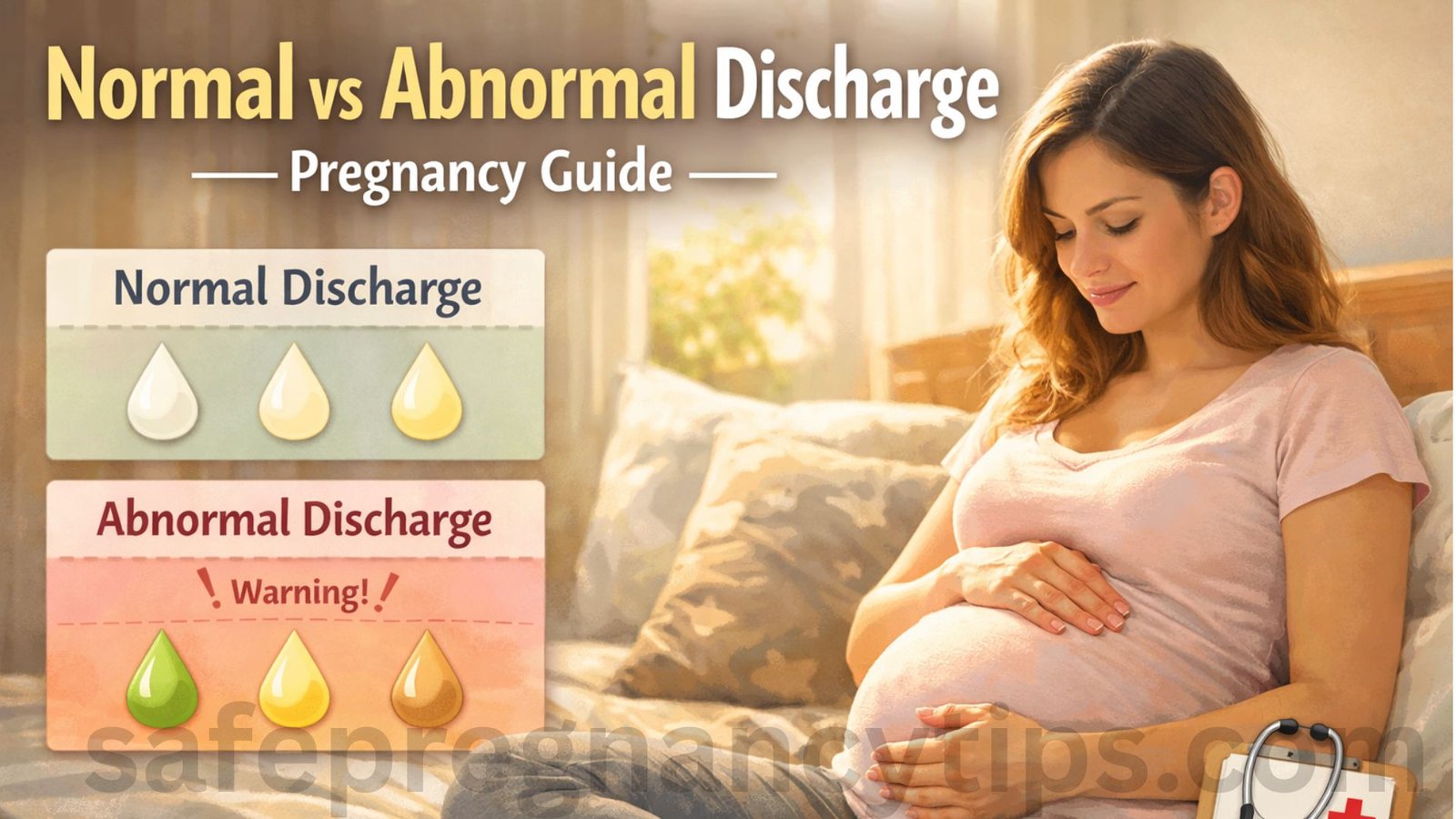
Normal discharge during pregnancy is often called leukorrhea, but let’s keep it simple: it’s usually thin, clear, or milky white, and it doesn’t have a strong odor. Many moms describe it as similar to what you might see mid-cycle before pregnancy, just a bit more of it.
It’s your body’s natural cleanser, and as long as it feels comfortable, it’s a good sign things are on track.
Normal Pregnancy Discharge Colors: What’s Healthy & Safe
Typically, normal vaginal discharge in pregnancy is clear or white, sometimes with a slight yellowish tint as it dries on your underwear. It shouldn’t be bright yellow, green, or gray—those colors might suggest something else is going on. But remember, a pale, off-white shade is perfectly fine and common.
Pregnancy Discharge Smell: What’s Normal & Healthy
A mild, almost non-existent smell is what you’d expect from normal discharge during pregnancy. It might have a subtle musky scent, but nothing overpowering or unpleasant. If it’s odorless or just faintly sweet, that’s your cue that all is well.
Pregnancy Discharge Texture: What’s Normal & Healthy
The texture is usually thin and watery, or slightly sticky, like egg whites. It shouldn’t be thick and clumpy, as that could point to other changes. Smooth and consistent is the name of the game here.
Pregnancy Discharge Warning Signs: What’s Not Normal
Sometimes, discharge can change in ways that might make you pause and think about chatting with your doctor. These shifts are your body’s way of signaling that a little extra care might be needed. Keep an eye out without stressing—most times, it’s easily sorted.

Pregnancy Discharge Color Changes: What’s Normal & What to Watch
If the discharge turns yellow, green, or gray, it could be different from the usual. Brown or pink spots might appear occasionally, but it’s wise to mention them to your healthcare provider. Colors like these aren’t the norm, so a quick check-in can bring peace of mind.
Is Your Pregnancy Discharge Smell Normal? Key Changes to Know
A strong, fishy, or foul odor isn’t typical for normal discharge during pregnancy. If you notice something off, it might be worth discussing. Your sense of smell is heightened now, so trust your instincts gently.
Pregnancy Discharge Discomfort: Understanding Itching & Pain Safely
Any itching, burning, or discomfort around your vaginal area alongside discharge isn’t standard. It could feel irritating, but remember, help is just a call away. Pairing this with unusual discharge is a gentle nudge to seek advice.
Pregnancy Discharge: When to Consult a Doctor for Safety
If you’re ever unsure about changes in your discharge, reaching out to your doctor is always a smart, loving choice for you and baby. They can offer reassurance or guidance tailored just for you. It’s better to ask than to wonder, mama.
Common Causes of Abnormal Discharge
Changes in discharge can sometimes stem from imbalances in your body’s natural bacteria. For example, a yeast overgrowth might make things feel different down there. Other times, it could be related to everyday factors like moisture or clothing.

Bacterial shifts, like in bacterial vaginosis, are common and treatable. Sexually transmitted infections, though less frequent, can also play a role if present. Your doctor can help identify and address these with care. Hormonal fluctuations might contribute, but again, professionals are there to support you. Hydration and diet can influence things too, in subtle ways. Knowing these helps you feel empowered, not worried.
When to See a Doctor
If discharge comes with pain, strong smells, or unusual colors, give your doctor a ring. The same goes if there’s itching or burning that doesn’t feel right. If you’re spotting or bleeding, even lightly, let them know promptly. Towards the end of pregnancy, if discharge becomes very watery, it might be your waters—call right away.
Any fever or chills with these changes? Time for a check-up. Your healthcare team is your partner in this; they’re happy to hear from you. Always err on the side of caution, but stay calm—most issues are manageable.
Conclusion
Pregnancy is a time of incredible changes, and understanding vaginal discharge—both normal and abnormal—is just one piece of the puzzle. Remember, your body is wise and strong, designed to nurture your baby every step of the way. If something feels off, your doctor is there to guide you with kindness. Embrace this season with love for yourself and your little one. You’re doing an amazing job already.
FAQ
Is it normal to have more discharge in the third trimester?
Yes, many moms notice an increase as pregnancy progresses. It’s your body’s way of preparing and protecting. If it’s clear or white and mild-smelling, it’s usually fine.
Can discharge during pregnancy smell a little?
A faint, mild scent is common and nothing to fret about. But if it’s strong or unpleasant, chatting with your doctor can clarify things.
What if my discharge is watery?
Watery discharge can be normal, especially later on. However, if it’s sudden or a lot, mention it to your healthcare provider for reassurance.
Does diet affect vaginal discharge in pregnancy?
A balanced diet supports overall health, which can influence your body’s balance. Foods like yogurt might help, but always focus on what feels good for you.
When does discharge go back to normal after birth?
It varies, but many see changes within weeks postpartum. Your body adjusts gradually—be patient and kind to yourself.
READ MORE:-
How to Take Care of Pregnancy in the First 3 Months: A Simple First Trimester Guide
What to Avoid During Pregnancy: Foods, Habits & Activities for a Safe Journey
Pregnancy Tips for Normal Delivery: Diet, Exercise, and Best Practices