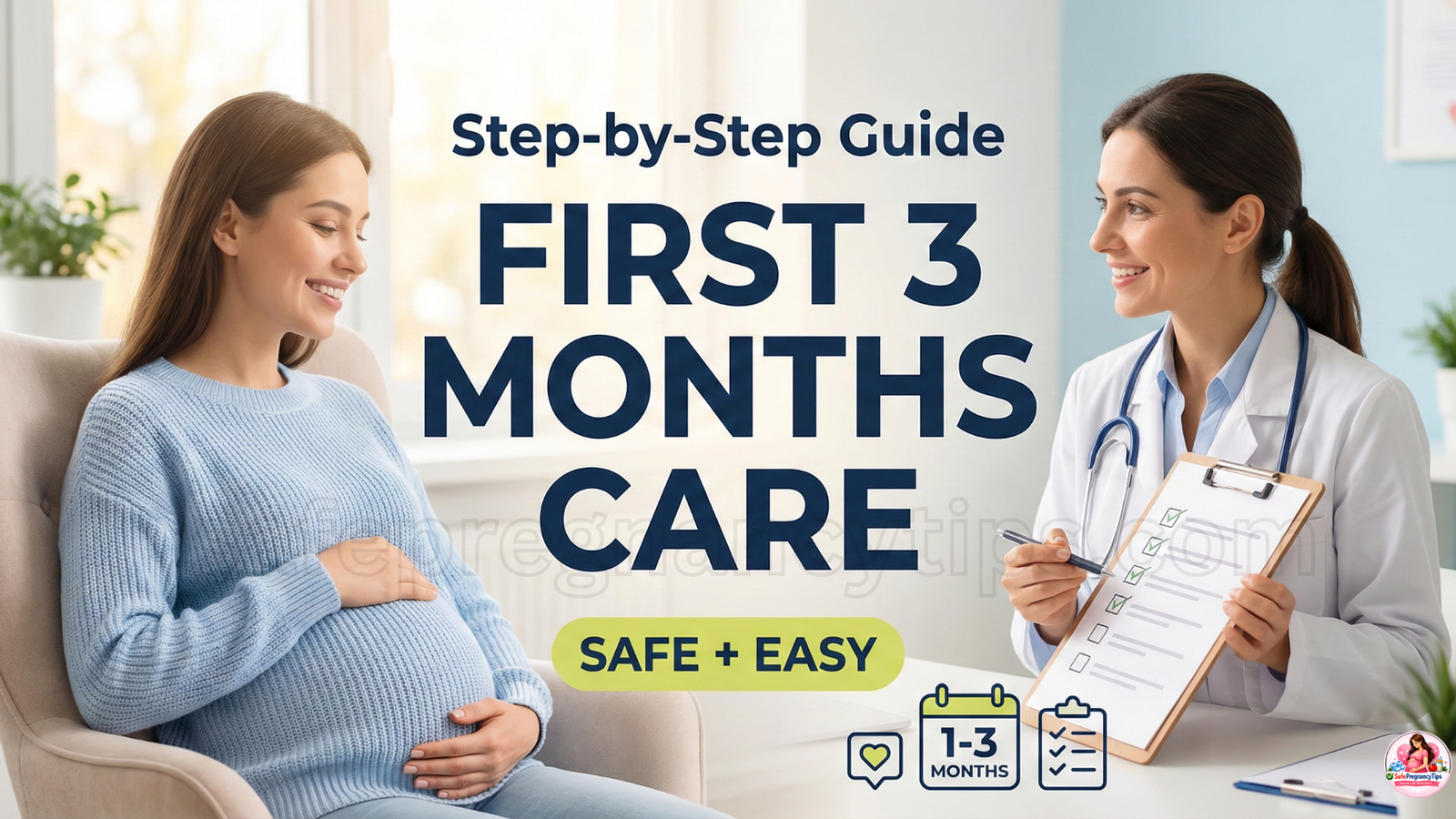
Congratulations on your pregnancy! The first three months, also called the first trimester (weeks 1 to 12), are a special time. Your body is working hard to grow a tiny baby. Many women feel excited but also tired or unsure. Learning how to take care of pregnancy in the first 3 months helps you feel more confident and calm.
This time is important for your baby’s growth. Simple daily habits can support you and your little one. Eat well, rest, and stay positive. Remember, every pregnancy is unique. What works for one mom may differ for another.
Always talk to your doctor for personal advice. This guide shares gentle, easy tips to help you through these early weeks with care and joy.
What Happens in the First 3 Months of Pregnancy?
Your baby grows fast in these early weeks. In week 1 to 4, the baby is a tiny group of cells. By week 8, the heart starts beating. Tiny arms, legs, eyes, and ears begin to form.
By the end of week 12, your baby is about the size of a lime. All main parts are there, though still very small. This is why the first trimester is so key for healthy development.
Your body changes too. Hormones like progesterone and hCG rise quickly. These help protect the pregnancy but can cause symptoms.
Common symptoms include:
- Tiredness
- Morning sickness (nausea)
- Sore breasts
- Frequent urination
- Mood changes
- Light spotting (sometimes normal)
Most symptoms are mild and pass. They show your body is doing its job.
How to Take Care of Pregnancy in the First 3 Months (Step-by-Step)
Step 1 – Confirm Pregnancy and Book a Doctor Visit
First, confirm you are pregnant with a home test. Then, book your first prenatal visit soon. Most doctors see you between weeks 6 to 10.
At the visit, the doctor checks your health. They ask about your history, do a physical exam, and may order blood tests. They check your blood type, anemia, and infections.
This early care helps spot any needs right away.

Step 2 – Take Folic Acid and Prenatal Vitamins (Doctor Advice)
Folic acid helps prevent birth defects in the baby’s brain and spine. It is very important in the first weeks. Your doctor will suggest a prenatal vitamin. It has folic acid, iron, calcium, and other nutrients for you and baby. Take only what your doctor recommends. Do not start extra supplements without advice.
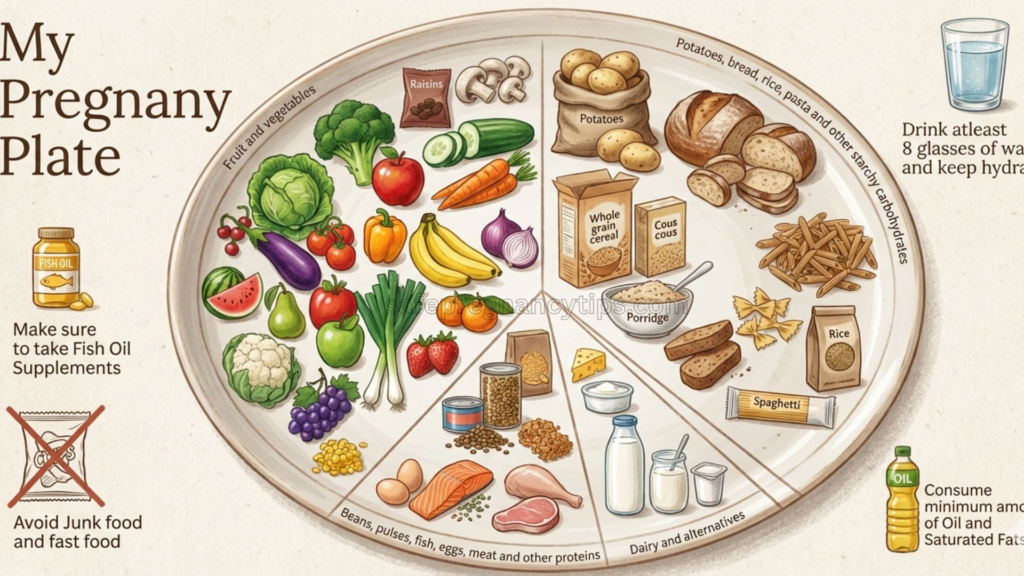
Step 3 – Healthy Diet Tips for the First Trimester
Good food gives energy and nutrients. Focus on fresh items.
| Food Group | Examples |
|---|---|
| Fruits | Apples, bananas, oranges |
| Vegetables | Spinach, carrots, broccoli |
| Proteins | Eggs, chicken, beans, nuts |
| Whole Grains | Oats, brown rice, whole bread |
| Calcium Foods | Milk, yogurt, cheese, alternatives |
Simple Meal Ideas
| Meal Time | Easy Idea |
|---|---|
| Breakfast | Oatmeal with fruits and nuts |
| Lunch | Grilled chicken salad with veggies |
| Snack | Yogurt with berries |
| Dinner | Lentils with rice and greens / low-mercury fish (if doctor allows) |
Eat small meals often if hungry.
Step 4 – Foods to Avoid in the First Trimester
Some foods can harm you or baby. Stay safe by avoiding:
| Foods / Drinks to Avoid | Simple Reason (Easy) |
|---|---|
| Raw or undercooked meat, eggs, fish | Risk of infection |
| Unpasteurized dairy or juices | May contain harmful bacteria |
| Alcohol | Not safe in pregnancy |
| Smoking or secondhand smoke | Can harm baby growth |
| High mercury fish (shark, swordfish) | Mercury is not safe |
| Too much caffeine | Limit and ask your doctor |
| Raw sprouts | Higher risk of bacteria |
Wash fruits and veggies well.

Step 5 – Drink Enough Water
Water keeps you hydrated. It helps with digestion, blood flow, and reduces tiredness.
Aim for 8-10 glasses a day. More if you feel nauseous.
Carry a bottle. Add lemon for taste if plain water is boring.
Step 6 – Manage Morning Sickness (Safe Tips)
Nausea is common. It often happens in the morning but can last all day.
Tips to feel better:
- Eat small, frequent meals
- Keep crackers by your bed for before getting up
- Try ginger tea or ginger candies
- Rest when needed
- Avoid strong smells
Most cases improve after week 12.

Step 7 – Safe Exercise and Daily Movement
Light activity is good. It boosts mood and energy.
Good options:
- Walking in fresh air
- Gentle stretching or prenatal yoga
- Swimming (if doctor approves)
Ask your doctor before starting. Stop if you feel pain or dizzy.

Step 8 – Sleep and Rest Tips
You may feel very tired. Listen to your body.
Tips:
- Sleep 7-9 hours at night
- Nap if possible
- Sleep on your left side (best for blood flow)
- Use pillows for support under belly or between knees
Create a calm bedtime routine.

Step 9 – Avoid Stress and Take Care of Mental Health
Pregnancy can bring many feelings. Stay calm.
Try:
- Deep breathing exercises
- Short walks
- Talking to loved ones
- Listening to soft music
- Positive thoughts
If you feel very worried, speak to your doctor.

Step 10 – Things You Must Avoid (Important Safety List)
- No smoking or alcohol
- No heavy lifting
- Avoid hot tubs or very hot baths
- No self-medication – always ask doctor
- Limit exposure to chemicals or strong cleaners
- Avoid contact with cat litter (toxoplasmosis risk)
Stay safe and ask for help when needed.
First Trimester Checkups and Tests (Simple Explanation)
Doctors schedule checkups to monitor you and baby.
Common ones:
- Blood tests for health, anemia, infections
- Urine test for sugar or protein
- Ultrasound to see baby’s heartbeat and growth
- Blood pressure check
These are routine and help keep everything on track.

Warning Signs You Should Not Ignore
Most days feel normal. But call your doctor right away if you have:
- Heavy bleeding
- Severe belly pain
- High fever
- Bad headache or vision changes
- Dizziness or fainting
- Severe vomiting (cannot keep water down)
- Signs of dehydration (very dark urine, dry mouth)
Contact your doctor immediately for peace of mind.
Healthy Foods vs Foods to Avoid
| Healthy Foods | Foods to Avoid |
|---|---|
| Fresh fruits (apples, bananas) | Raw or undercooked meat/eggs |
| Vegetables (spinach, carrots) | Unpasteurized dairy |
| Lean proteins (chicken, beans) | Alcohol |
| Whole grains (oats, brown rice) | High mercury fish (shark, swordfish) |
| Nuts and seeds | Raw sprouts |
| Yogurt or milk alternatives | Limit caffeine – ask your doctor |
| Eggs (well-cooked) | Processed junk food |
Choose healthy options most of the time.
First Trimester Care Checklist
- Confirm pregnancy and visit doctor
- Start prenatal vitamins as advised
- Eat balanced, small meals daily
- Drink 8+ glasses of water
- Avoid alcohol, smoking, raw foods
- Rest and sleep on left side
- Try light walks or stretching
- Manage nausea with ginger/small snacks
- Do deep breathing for calm
- Note any worries and call doctor
Tick these off as you go!
Frequently Asked Questions (FAQ)
Is mild cramping normal?
Yes, mild cramps like period pain can be normal. But if strong or with bleeding, contact your doctor.
Can I travel in first trimester?
Short trips are usually fine. Long travel may tire you. Ask your doctor, especially if high-risk.
Can I drink tea or coffee?
Yes, but limit caffeine and ask your doctor what amount is safe for you.
What vitamins are important?
Folic acid is key. Prenatal vitamins cover iron, calcium, and more. Follow doctor’s advice.
Is exercise safe?
Light exercise like walking is good. Always ask your doctor first.
What foods should I avoid?
Avoid raw meat, alcohol, unpasteurized dairy, high mercury fish, and raw sprouts.
How much water should I drink?
Aim for 8-10 glasses. More if active or nauseous.
Is ultrasound safe?
Yes, ultrasounds are safe and routine. They help check baby’s growth.
What is morning sickness?
Nausea and vomiting, often in morning. It is common and usually eases by week 12.
When should I call a doctor?
Call for heavy bleeding, severe pain, fever, severe vomiting, dehydration signs, or any big worry.
Conclusion
The first three months are a beautiful start to your journey. With simple care like good food, rest, and doctor visits, you support your baby’s growth and your own health. Stay gentle with yourself – rest when tired, eat what feels good, and enjoy the changes.
Every pregnancy is different, so trust your body and your doctor. You are doing a wonderful job. Soon, you will feel your little one more. Take it one day at a time with love and care.
READ MORE:-
Safe Sleeping Positions During Pregnancy (Complete Guide for Expecting Moms)
First Month Pregnancy: Symptoms, Baby Growth, Diet, What to Avoid & Complete Guide
What to Avoid During Pregnancy: Foods, Habits & Activities for a Safe Journey