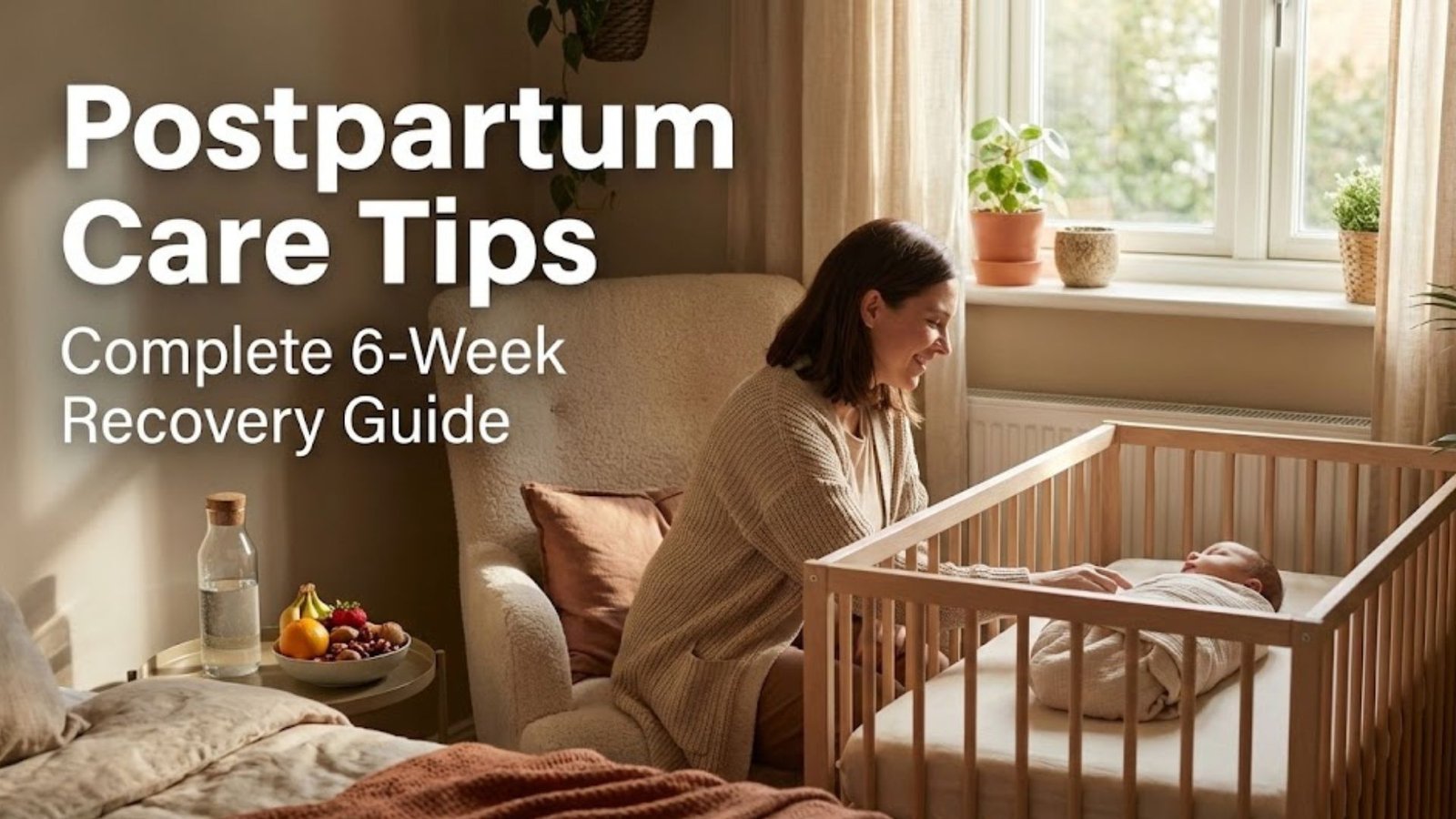
You have just brought your precious baby into the world, and now you are home, surrounded by love, tiny cries, and a heart full of wonder. This time can feel like a beautiful whirlwind. Your body has done something truly miraculous, and now it needs gentle care to heal.
These postpartum care tips for new mothers at home are here to support you every step of the way. You are not alone. Every first-time mother feels a mix of joy, tiredness, and questions. Be kind to yourself. Rest when you can, accept help when it is offered, and know that healing takes time. Your only job right now is to nurture your baby and yourself. You are already doing an amazing job.
In the weeks ahead, simple daily choices can make a big difference in your postpartum recovery. From managing rest to understanding your changing body, these tips are written with warmth and care. Let us walk through this together, one gentle day at a time

What is the Postpartum Period?
The postpartum period is the special time after your baby is born when your body and mind begin to heal and adjust. It usually lasts about six weeks, though every woman’s experience is different. Your uterus slowly returns to its pre-pregnancy size, hormones settle, and your energy gradually returns.
During this time, you may notice physical changes like soreness, bleeding, and breast changes. Emotionally, you might feel teary, tired, or deeply in love—all at once. This is completely normal. Your body has worked hard for nine months and now needs patience and support to recover. Think of this as your body’s quiet, important work. Rest, eat nourishing food, and allow others to help you. The postpartum period is not just about physical healing; it is also about bonding with your baby and finding your new rhythm as a mother.
First 24 Hours After Delivery
The first day is all about rest and gentle beginnings. In the hospital, nurses will check on you often to make sure you and your baby are doing well. Use this time to sleep whenever your baby sleeps.
Try your first breastfeeding session when you both feel ready. Skin-to-skin contact helps your milk flow and calms your baby. A nurse or lactation consultant can help with positioning so it feels comfortable.
You will have some bleeding, which is normal. Use the thick pads provided and change them often. Drink plenty of water and eat light, easy meals. Most important of all—rest. Your body has just done something enormous. Let family or hospital staff handle the little tasks so you can focus on healing and holding your baby.

First Week Recovery at Home
Once you are home, your body may feel sore in places you did not expect. Your belly might feel tender, and sitting or standing could take extra care. This is normal after the hard work of birth. Sleep will feel different now. Your baby may wake every two to three hours to feed. Try to nap when your baby naps, even if it is only for twenty minutes. Short rests add up and help your body recover.
Keep things clean and simple. Use warm water to rinse after using the bathroom, and pat dry gently. Wear loose, soft clothes and comfortable underwear. Change pads often to stay fresh.
Accept help from loved ones. Let your partner, mother, or friend bring meals, hold the baby while you shower, or do light housework. Saying “yes” to help is a sign of strength, not weakness. You are building your strength for the weeks ahead.
Vaginal Delivery Recovery at Home
After a vaginal birth, the area between your vagina and anus (the perineum) may feel sore or swollen. Sit on a soft pillow or use a cooling pad for comfort. Warm baths (just deep enough to cover your hips) can feel soothing after a few days.
Do gentle pelvic floor exercises when you feel ready—your doctor or midwife can show you how. These simple squeezes help healing and prevent leaks later. Walk short distances around the house to improve blood flow, but rest often. Your body is knitting itself back together. Be patient with it.
C-Section Recovery at Home
If you had a cesarean birth, your incision needs special, loving care. Keep the area clean and dry. Gently wash with mild soap and water in the shower, then pat dry. Wear loose clothing so nothing rubs against the scar.
Avoid lifting anything heavier than your baby for the first few weeks. When getting out of bed, roll to your side first, then push up with your arms. This protects your healing muscles. Walk slowly around the house several times a day to prevent blood clots and help your body heal. Pain medicine recommended by your doctor is safe while breastfeeding and will help you rest better. Many mothers say the first two weeks feel the hardest, but each day gets a little easier.
Bleeding (Lochia) – What is Normal?
Postpartum bleeding, often called lochia, is your body’s natural way of cleaning the uterus after birth. It usually lasts up to six weeks and changes over time.
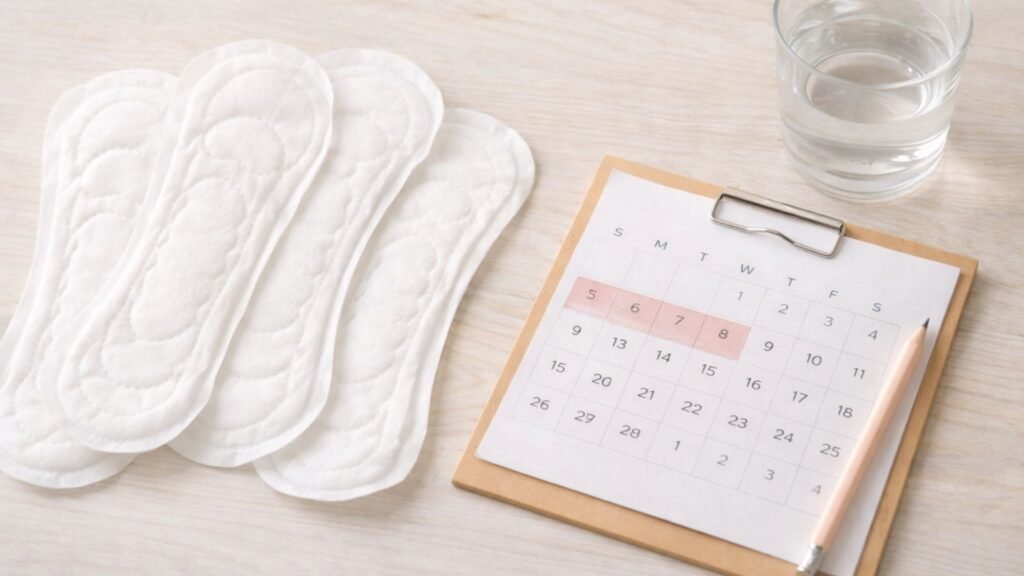
In the first few days, the blood is bright or dark red and may have small clots. This is the heaviest time. After about four days, it becomes pink or brown and lighter. By the second or third week, it turns creamy white or yellowish and becomes spotting.
Use sanitary pads (never tampons) and change them when they feel wet. It is helpful to note the color and amount each day so you can see progress. Mild cramping is common as your uterus shrinks.
Contact your doctor right away if the bleeding suddenly becomes very heavy (soaking a pad in one hour), you pass large clots (bigger than a lemon), or the blood smells very unpleasant. A fever or severe pain also needs quick attention. Most of the time, bleeding slows down gently and naturally. Trust your body, but never hesitate to call for help.
Breast Care & Milk Supply
Your breasts are doing important work. In the first few days, they may feel full and warm as your milk comes in. This is called engorgement. It usually lasts a day or two.
Feed your baby often—every two to three hours. Frequent nursing helps your supply match your baby’s needs. Before feeding, a warm cloth or shower can help milk flow. After feeding, a cool cloth or chilled cabbage leaf (wrapped in a soft cloth) can ease swelling.
For sore nipples, a little of your own milk rubbed gently on them after feeding can help. Many mothers also use a pure lanolin cream. Make sure your baby’s latch feels comfortable; a lactation consultant can check this in person or by video.
Drink plenty of water—keep a bottle beside you at all times. Eat nourishing snacks like nuts, yogurt, or fruit. Your body needs extra calories and fluids while breastfeeding. Rest when you can, because tiredness can affect your supply. You are providing perfect nutrition for your baby, and that is beautiful work.
Emotional Changes (Baby Blues vs Depression)
Many new mothers feel the “baby blues” in the first two weeks. You might cry easily, feel worried, or have mood swings. These feelings usually come and go and fade on their own. Hormones are shifting, you are tired, and everything is new. This is normal and very common.
Postpartum depression is different. It lasts longer and feels heavier. You may feel very sad most of the day, have trouble bonding with your baby, or feel hopeless. Other signs include losing interest in things you once enjoyed, sleeping too much or too little, or thoughts of harming yourself or your baby.
If the blues last more than two weeks, or if you feel you cannot care for yourself or your baby, please reach out. Talk to your doctor, midwife, or a trusted family member. Help is available—counseling, support groups, and sometimes medicine can make a big difference. You deserve to feel well and enjoy this precious time. Asking for help is one of the strongest things you can do.

Nutrition for Recovery
Eating well helps your body heal and gives you energy for your baby. Focus on simple, nourishing foods you enjoy.
Choose iron-rich foods to rebuild blood: leafy greens like spinach, lentils, beans, eggs, and lean meats or chicken. Pair them with vitamin C foods like oranges or tomatoes to help your body absorb the iron.
Protein is important for healing tissues. Enjoy eggs, yogurt, nuts, fish (low in mercury), or dal. Many cultures have wonderful postpartum foods—warm soups, oatmeal with nuts, or rice with beans.
Drink water all day long. Herbal teas (check with your doctor) or coconut water can taste refreshing too. Small, frequent meals are easier than large ones when you are tired. Keep easy snacks nearby: bananas, cheese, whole-grain crackers, or almonds.
Try to include colorful fruits and vegetables every day. They provide vitamins and fiber to help with constipation, which is common after birth. You do not need perfect meals—just real, good food that makes you feel cared for.
Conclusion
Your postpartum journey is a gentle time of healing, learning, and bonding with your precious baby. Every mother’s experience is unique, and it’s completely normal to feel a beautiful mix of emotions—joy, exhaustion, tenderness, and sometimes uncertainty.
By taking small, consistent steps—resting whenever you can, drinking plenty of water, nourishing your body with good food, and reaching out for support when you need it—you are giving both yourself and your baby the care you both deserve.
FAQ
How long does postpartum bleeding last?
Most women have lochia for two to six weeks. It starts heavy and red, then becomes lighter and changes color. If it suddenly gets heavier or smells bad, call your doctor. Every body is different, so track your flow gently each day.
What is the difference between baby blues and postpartum depression?
Baby blues are mild mood swings and tears that usually fade within two weeks. Postpartum depression feels deeper and lasts longer, making daily life feel very hard. If sadness continues past two weeks or stops you from caring for yourself or your baby, please talk to your doctor. Help is available and effective.
When can I start gentle exercise after birth?
After a normal delivery, short walks can begin when you feel ready. After a C-section, wait until your doctor clears you, usually around six weeks. Always start slowly and listen to your body. Your six-week checkup is a great time to ask about safe activities.
What are the best foods for postpartum recovery?
Focus on iron-rich foods (spinach, lentils, eggs), protein (yogurt, chicken, beans), and plenty of water. Warm soups, oatmeal, fruits, and nuts are easy and nourishing. Eat small meals often to keep your energy steady.
How can I support breastfeeding care at home?
Feed your baby often, stay hydrated, and rest when possible. For engorgement, use warm compresses before feeding and cool ones after. A comfortable latch is key—ask a lactation consultant for help. Your milk supply usually matches your baby’s needs with frequent nursing.
READ MORE :-
Baby Constipation: Causes, Symptoms & Home Remedies
The Foundation of a Safe Pregnancy: Early Precautions and Why It Matters
What to Eat During Pregnancy: A Week-by-Week Nutrition Guide for Expecting Moms