What to Eat During Pregnancy:- Congratulations on your pregnancy! This is an exciting time filled with changes, and taking care of your nutrition can help you feel more comfortable and supported. Eating well during pregnancy isn’t about strict rules—it’s about choosing foods that give you and your growing baby the energy you both need.
We’ll explore simple, balanced choices that fit into your daily life. Remember, every pregnancy is unique, so listen to your body and enjoy the journey. This guide offers gentle suggestions to help you nourish yourself week by week.
Why Your Pregnancy Diet Needs to Change Every Week
Your body’s needs evolve as your baby grows, so adjusting your eating habits weekly can make a difference in how you feel. In the early weeks, focus on building a strong foundation. As pregnancy progresses, you’ll need more energy for your baby’s development.
Good nutrition supports steady energy levels, helps with common discomforts like tiredness, and promotes overall well-being. It’s okay if your appetite changes—small, frequent meals can help. Aim for a variety of colorful foods to get a mix of vitamins and minerals naturally.

First Trimester Nutrition (Week 1–12)
The first trimester (weeks 1–12) marks the important time when your baby’s major organs begin to form. You may notice feelings of tiredness or queasiness during these early weeks, which is completely normal. Choosing gentle, nutrient-rich foods can help support your body and keep you feeling more comfortable as things progress.
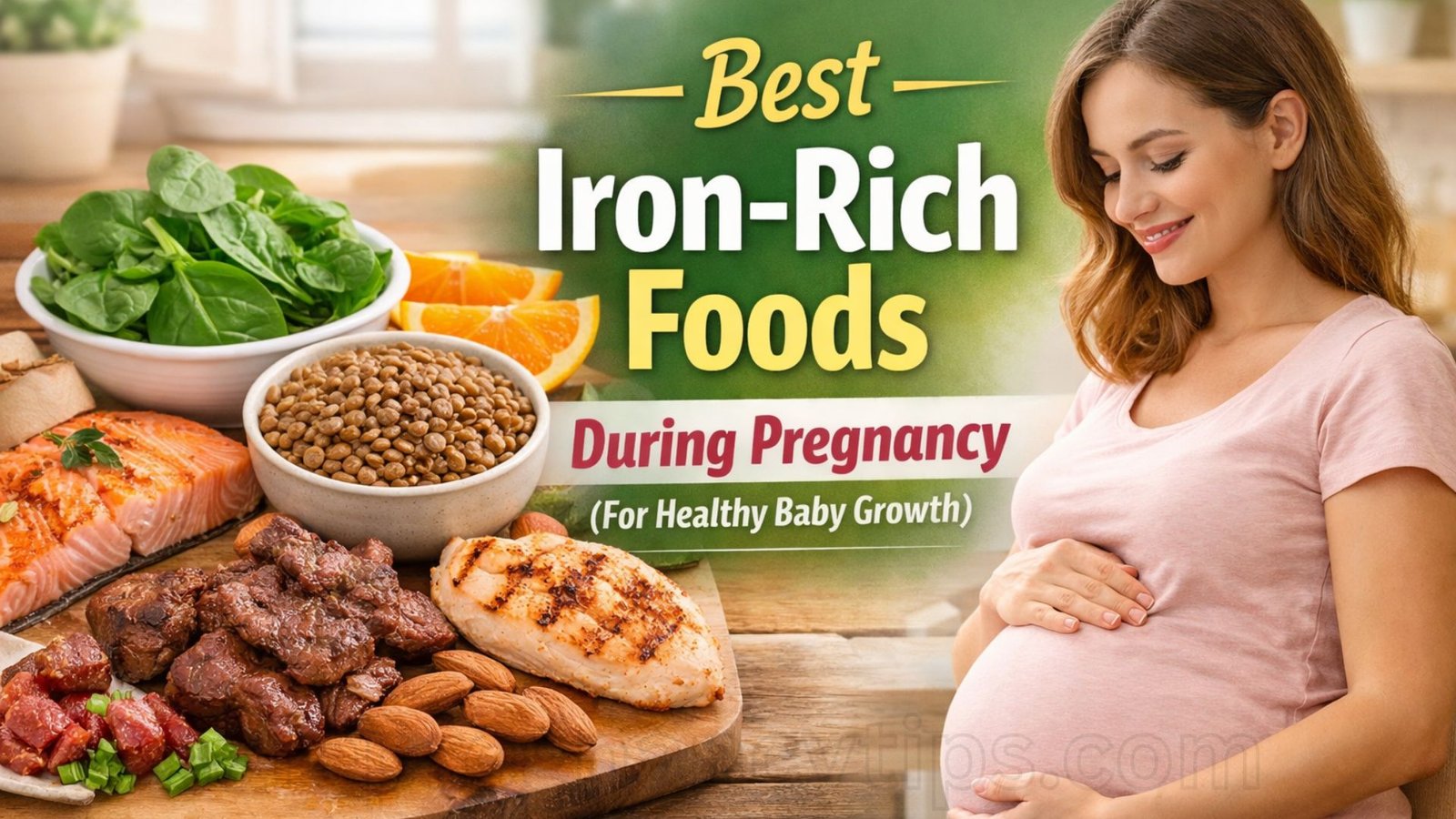
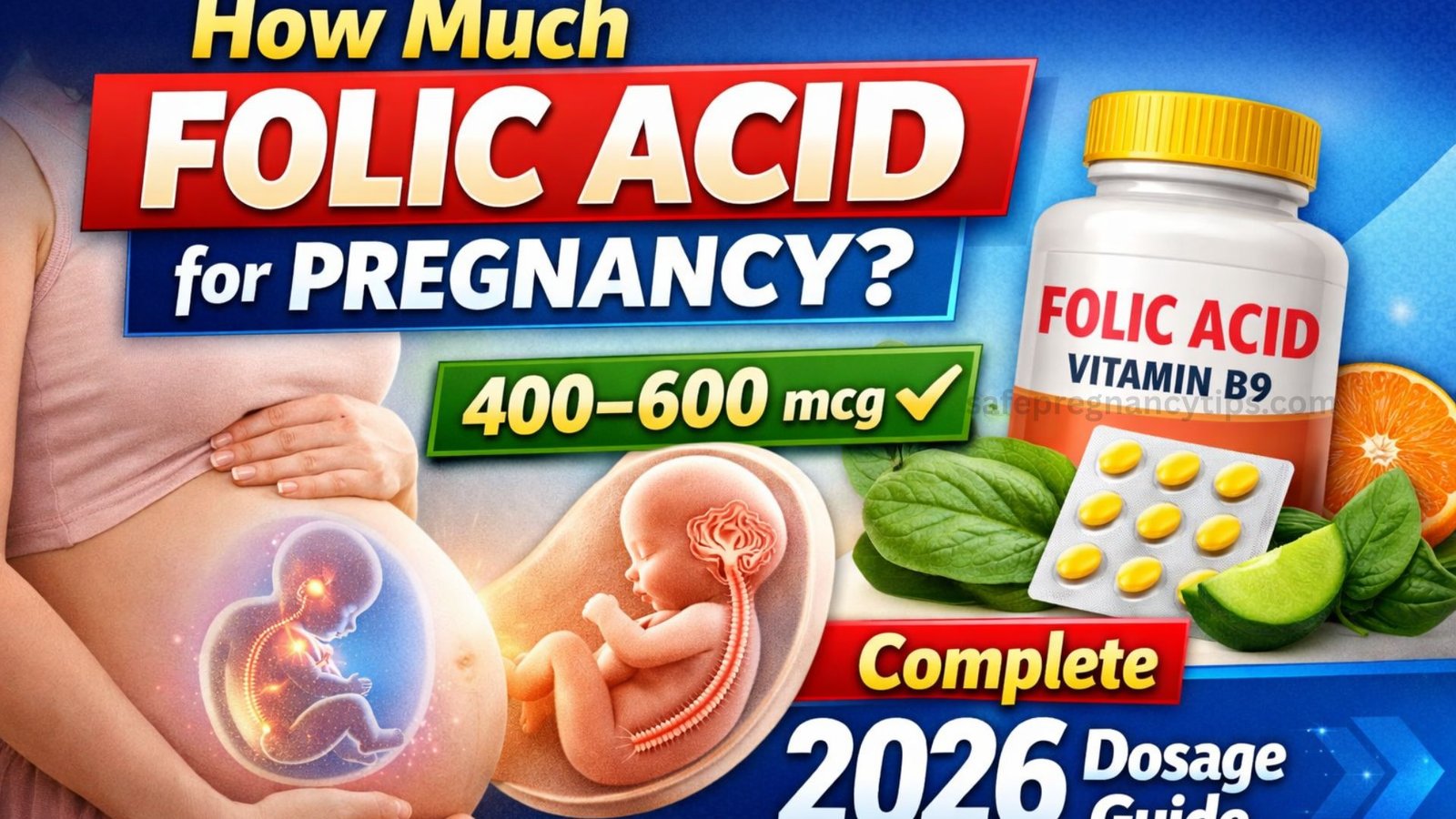
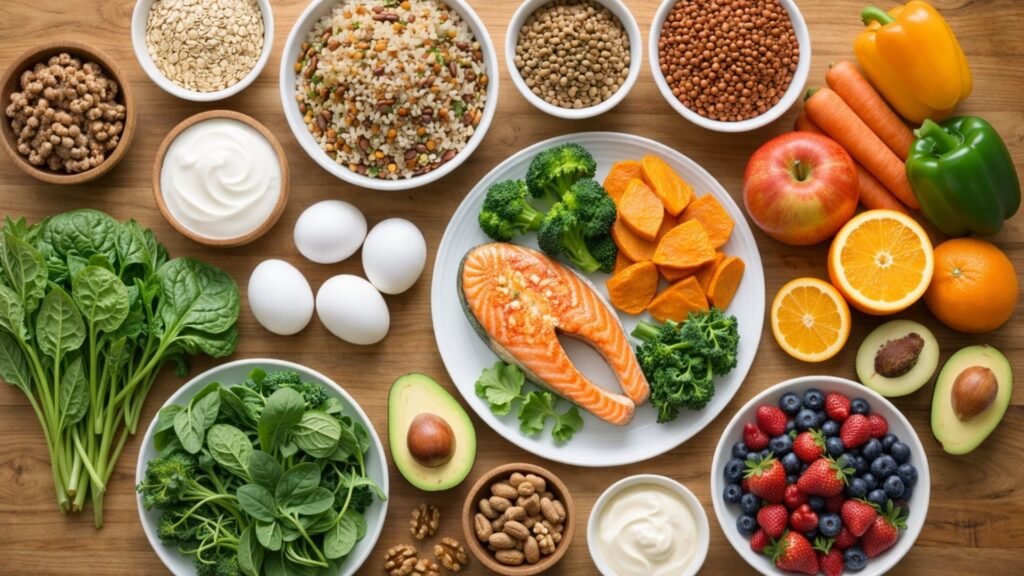
Focus on key nutrients that provide a strong start. Folate stands out as especially helpful for healthy cell growth and development— you’ll find it naturally in leafy greens like spinach, as well as in fortified cereals and breads. Protein supports tissue building for both you and your baby, so include sources such as eggs, beans, lentils, lean chicken, or yogurt. Iron also plays a role in supporting healthy blood flow, and good options include beans, fortified cereals, lean meats, and dark leafy vegetables. Pairing iron-rich foods with vitamin C sources, like oranges or berries, can help your body use it better.
When it comes to the best foods to eat, go for fresh fruits such as oranges, berries, bananas, or apples, which deliver important vitamins in a light and refreshing way. Whole grains like oatmeal, brown rice, or whole-wheat toast offer steady energy without being too heavy on the stomach. Lean proteins, including eggs, beans, lentils, or simple grilled chicken, help maintain strength and fullness. Many women find these options easy to digest and comforting during this phase.

It’s helpful to limit a few things that might add to discomfort. If you enjoy caffeine, keep it to about one small cup of coffee or tea per day. Heavy or greasy meals can sometimes make queasiness feel worse, so lighter choices often sit better.
For gentle tips to ease morning sickness, try eating small snacks more often instead of large meals—this keeps your stomach from getting too empty or too full. Simple options like plain crackers, dry toast, or a few pretzels work well for many moms. Ginger tea or small pieces of fresh ginger can feel soothing for some. Staying hydrated with small sips of water throughout the day helps too, even if big gulps feel tough. When nausea strikes, bland foods such as bananas, plain rice, applesauce, or toast (often called the BRAT approach) tend to be easier to handle. Cold foods like smoothies or chilled fruit can also feel refreshing
Week-by-Week Early Pregnancy Nutrition Guide (Week 1–4, 5–8, 9–12)
Weeks 1–4 In these very early weeks, your body is quietly adjusting to the big changes ahead. Keep your meals light and gentle so they feel easy to enjoy. Focus on folate-rich foods to give your baby a strong start — think simple spinach salads, a bowl of fortified cereal, or whole-grain toast. A small handful of nuts or seeds adds healthy fats and a bit of satisfying crunch without being too heavy.
Weeks 5–8 Nausea often shows up around this time, and your appetite might feel smaller than usual — that’s completely normal. Go for smooth, easy-to-digest options like fruit and yogurt smoothies (blend banana, berries, and a little plain yogurt). Sip them slowly if big meals feel tough. Even small portions of protein, such as a few bites of grilled chicken, tofu, or scrambled eggs, help keep your energy steady and support your growing baby.
Weeks 9–12 As you near the end of the first trimester, things often start to feel a little steadier. This is a great time to gently add more vegetables for extra nutrients like calcium and fiber. Broccoli, carrots, or colorful bell peppers work wonderfully — try them lightly steamed or in a simple veggie stir-fry with brown rice or quinoa. These easy, balanced meals give you and your baby what you both need without overwhelming your stomach.
Second Trimester Nutrition (Week 13–27)
The second trimester (weeks 13–27) is often called the “honeymoon phase” because many moms feel their energy returning and nausea easing up. It’s a wonderful time when your baby grows quickly — bones strengthen, the brain develops, and muscles form — so gently boosting your intake with nutrient-packed foods can help you both thrive without feeling overwhelmed.
Focus on supporting your baby’s rapid growth with key nutrients like calcium for strong bones and teeth (think dairy options such as yogurt, cheese, or fortified plant milks if dairy doesn’t suit you), and omega-3 fatty acids for healthy brain development (found in low-mercury fish like salmon, or plant sources like walnuts and chia seeds).
Protein remains important to build strong muscles and tissues — include lean poultry, lentils, beans, eggs, or tofu in your meals. For iron, which helps carry oxygen to you and your baby as your blood volume increases, reach for spinach, beans, lean meats, or fortified cereals, and pair them with vitamin C-rich fruits like oranges, strawberries, or bell peppers to help your body absorb it better.

Third Trimester Nutrition (Week 28–40)
The third trimester (weeks 28–40) is an exciting final stretch — your baby is gaining weight quickly, lungs and brain are maturing, and every day brings you closer to meeting your little one. You might notice you feel fuller faster because your growing baby is taking up more space, so choosing nutrient-dense foods in smaller, frequent portions can help you get what you and baby need without feeling uncomfortable.
Focus especially on nutrients that support your baby’s rapid brain development in these last weeks. Omega-3 fatty acids are wonderful for brain and eye health — low-mercury fatty fish like salmon (cooked well), walnuts, chia seeds, or flaxseeds are great sources. Choline also plays an important role in brain and nervous system development; you’ll find it in eggs (the yolk is especially rich), lean meats, beans, and broccoli.
For steady energy and to help you feel satisfied longer, turn to whole grains such as oats, brown rice, quinoa, or whole-wheat bread, along with fresh or dried fruits like bananas, apples, dates, or berries. These provide slow-releasing carbohydrates that keep your energy even. Lean proteins — think chicken, turkey, fish, eggs, lentils, Greek yogurt, or cottage cheese — help maintain fullness and support tissue growth for both of you.
Hydration becomes even more important now. Drinking plenty of water supports good circulation, helps prevent constipation, and can ease common swelling in your hands, feet, or ankles. Many moms find it easier to take small, frequent sips throughout the day rather than large amounts at once — aim for at least 8–10 glasses (or more if you feel thirsty), and herbal teas, infused water (with lemon, cucumber, or mint), or watery fruits like melon can count to.
Complete Pregnancy Weekly Nutrition Chart
| Week | Key Focus Nutrients | Suggested Foods | Daily Tips |
|---|---|---|---|
| 1-4 | Folate, Protein | Leafy greens, eggs, nuts | Small meals for energy |
| 5-8 | Iron, Vitamin C | Beans, oranges, whole grains | Hydrate often |
| 9-12 | Calcium, Fiber | Yogurt, broccoli, oats | Add variety |
| 13-16 | Iron, Omega-3s | Spinach, salmon, quinoa | Increase portions |
| 17-20 | Calcium, Protein | Cheese, lentils, fruits | Balanced plates |
| 21-24 | Vitamin D, Choline | Eggs, fortified cereals, veggies | Sun exposure if possible |
| 25-27 | Healthy Fats | Avocados, nuts, fish | Snack wisely |
| 28-31 | Fiber, Energy | Oats, turkey, apples | Frequent small eats |
| 32-35 | Omega-3s, Hydration | Walnuts, infused water, salads | Rest with nutrition |
| 36-39 | Calcium, Choline | Yogurt, eggs, soups | Light and nourishing |
| 40 | Balanced All | Mixed veggies, proteins, fruits | Prepare gently |
Foods to Avoid During Pregnancy
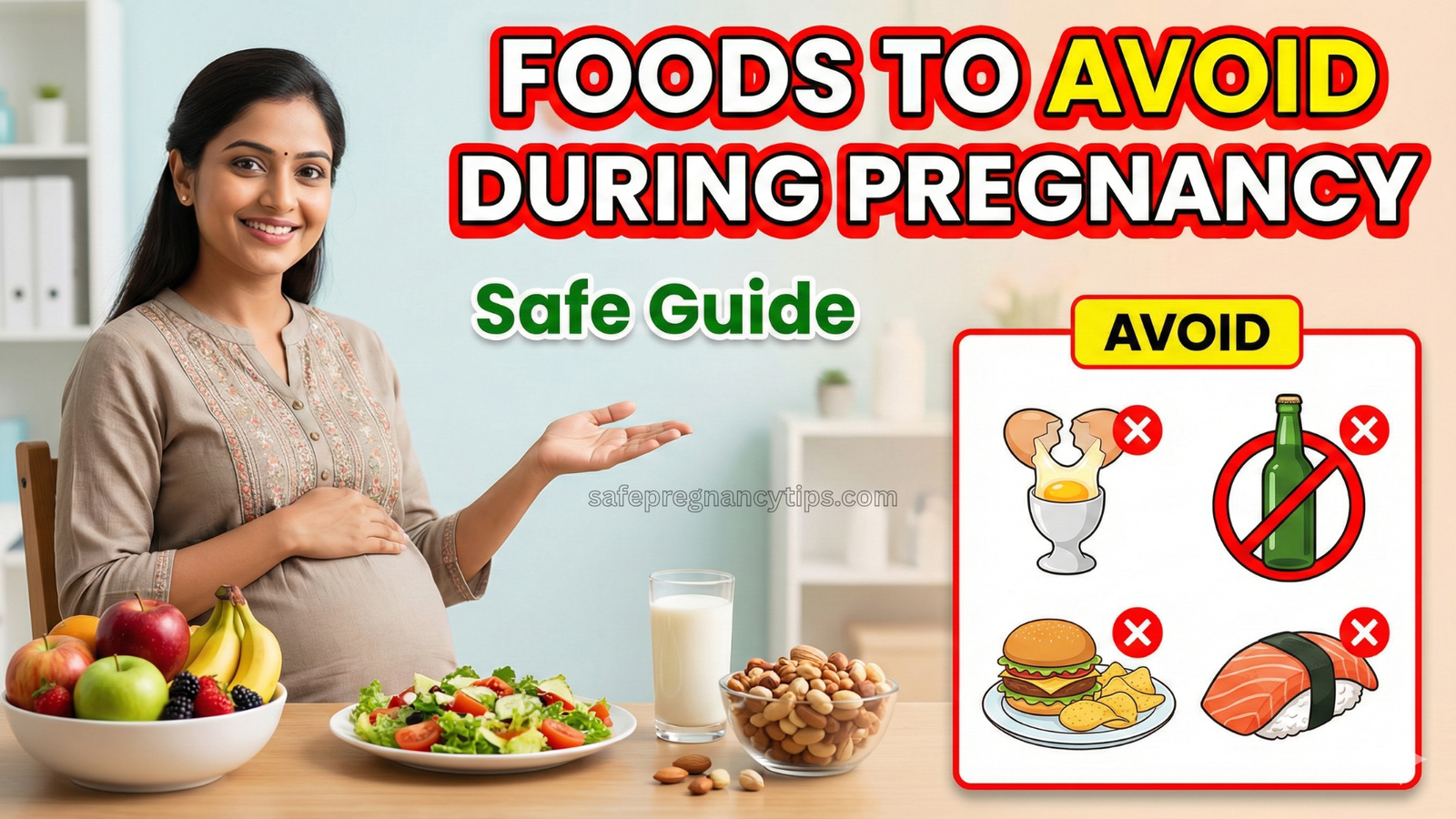
Some foods carry a small risk of germs, so it’s wise to choose carefully. Cook meats thoroughly to avoid undercooked options. Skip high-mercury fish like swordfish, but enjoy low-mercury types in moderation.
Avoid unpasteurized dairy or juices. Raw eggs in homemade dressings might be skipped. These choices help you feel more at ease
Conclusion:-
Pregnancy is a beautiful journey, and the way you’re nourishing yourself right now is one of the most loving things you can do for your baby and for you. Every small bite of colorful fruit, every sip of water, every comforting meal it’s all adding up to help your little one grow strong and healthy.
Be gentle with yourself on the days when things feel tough; listen to your body, trust what feels good, and remember that you’re already doing an incredible job. You’ve got this, mama.
Wishing you a smooth, joyful pregnancy filled with good food, peaceful moments, and the sweetest anticipation. Soon you’ll hold your baby in your arms — until then, keep shining and keep eating those nourishing bites.
FAQ
How many extra calories do I need during pregnancy?
Needs vary, but often about 340 more in the second trimester and 450 in the third. Focus on nutrient-rich foods.
Can I drink caffeine while pregnant?
A small amount, like one cup of coffee, is generally fine. Check with your preferences.
Is fish safe during pregnancy?
Low-mercury options like salmon are great for omega-3s, up to 12 ounces weekly.
What about vegetarian diets?
Plenty of plant-based proteins like beans and nuts work well.
How do I manage weight gain?
Eat mindfully and stay active as comfortable.
READ MORE:-
Safe Sleeping Positions During Pregnancy (Complete Guide for Expecting Moms)
First Month Pregnancy: Symptoms, Baby Growth, Diet, What to Avoid & Complete Guide
What to Avoid During Pregnancy: Foods, Habits & Activities for a Safe Journey