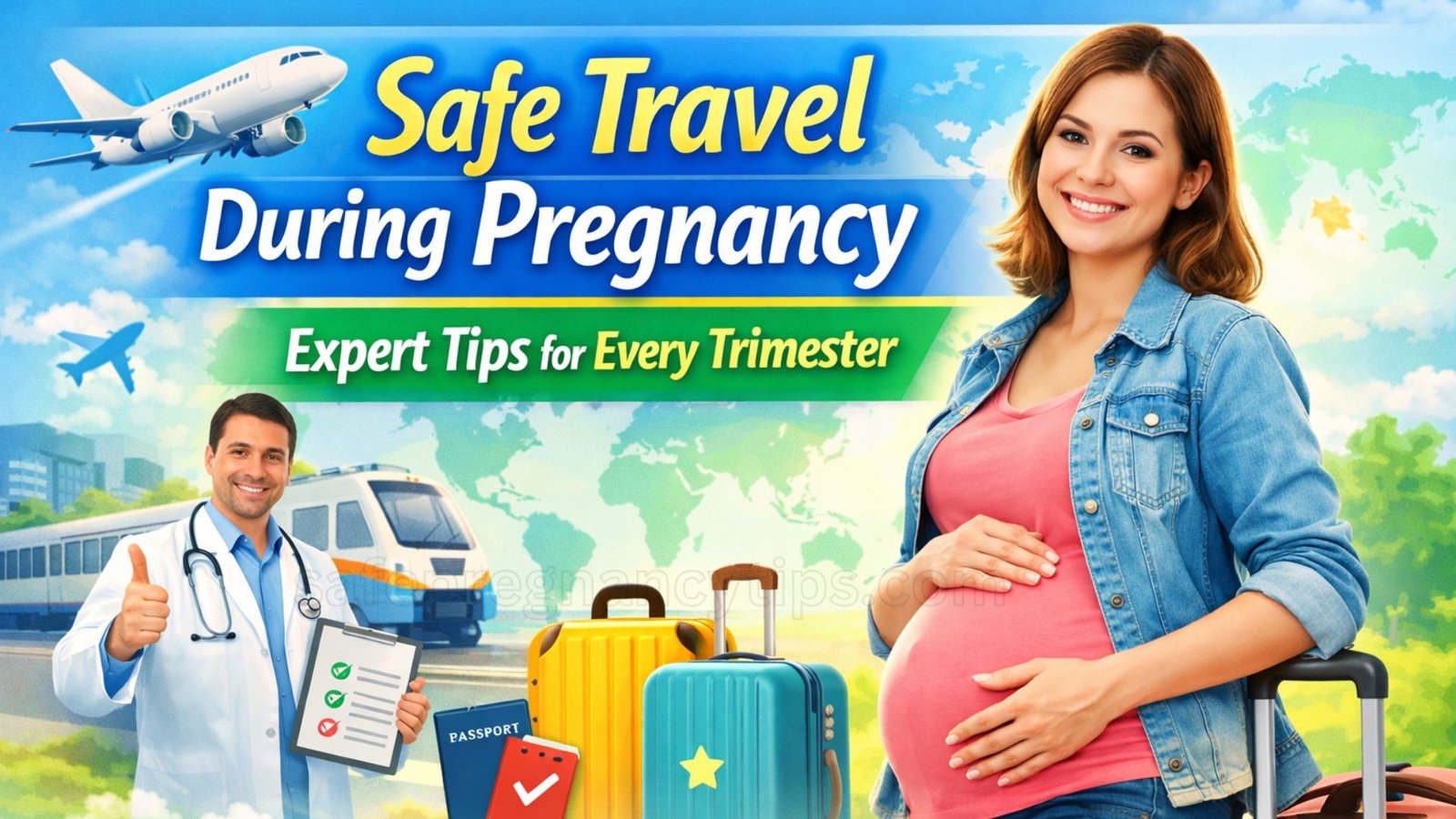
Travel during pregnancy is a common concern for many expecting mothers. You might worry about how the journey could affect your health or your baby’s well-being. Factors like fatigue, nausea, or unexpected complications can make the idea seem daunting.
But here’s some good news: with proper care and planning, safe travel while pregnant is possible for most women. Many enjoy trips that create lasting memories before the baby arrives. The key is understanding your body’s needs and taking steps to stay comfortable.
Always remember, every pregnancy is unique. What works for one person may not suit another. This article will guide you through essential tips to help you decide if and how to travel safely.

Travel Safety by Trimester
Pregnancy is divided into three trimesters, each with its own set of joys and challenges. Travel risks can vary depending on the stage. Let’s break it down to help you plan.
First Trimester Travel: Risks You Shouldn’t Ignore
The first trimester spans weeks 1 to 12. This period often brings morning sickness, extreme tiredness, and a higher risk of miscarriage. Traveling might feel overwhelming due to these symptoms.
Nausea can worsen with motion, like in cars or planes. Fatigue might make long journeys exhausting. Early complications, such as spotting or cramping, could arise unexpectedly.
If you must travel, keep trips short and close to home. Rest often and stay hydrated. Avoid destinations with poor medical access.
Second Trimester: The Golden Window for Travel
Weeks 13 to 28 are often called the “golden period” for travel during pregnancy. Morning sickness usually fades, and energy levels rise. Your belly is growing but not yet cumbersome.
This is typically the safest time for trips. Risks of miscarriage or preterm labor are lower. You can move around more easily and enjoy activities without much discomfort.

Many women find traveling in the 2nd trimester refreshing. It’s a great window for a babymoon or family getaway. Just ensure you have access to prenatal care wherever you go.
Third Trimester Travel: When to Stay Home
From week 29 onward, travel becomes riskier. Your growing belly can make sitting or walking uncomfortable. There’s a higher chance of preterm labor, swelling, or high blood pressure.
Airlines often restrict flights after 36 weeks due to labor risks. Long trips could lead to blood clots or fatigue. Signs like contractions, bleeding, or severe swelling mean you should avoid travel altogether.
If travel is essential, stay within a short drive of your doctor. Listen to your body—if something feels off, postpone the trip.
Modes of Travel
Air Travel
Flying while pregnant is generally safe before 36 weeks for uncomplicated pregnancies. However, check airline policies—many require a doctor’s note after 28 weeks, and some ban travel after 36 weeks.
Cabin pressure changes are usually fine, but dehydration and swelling can occur. Walk the aisle every hour to prevent blood clots. Choose an aisle seat for easy bathroom access.

Avoid long-haul flights if possible. Drink plenty of water and skip gassy foods. If you have complications like anemia or preeclampsia, flying might not be advised.
Car/Bus Travel
Road trips offer flexibility, but long hours in a vehicle can be tiring. Always wear your seatbelt with the lap belt under your belly and the shoulder strap between your breasts.
Take breaks every two hours to stretch and walk. This reduces swelling and clot risks. Keep snacks handy to manage blood sugar.
For buses, opt for seats with more legroom. Avoid bumpy roads that could cause discomfort. If driving, don’t go alone on long journeys.
Train/Ship Travel
Trains provide space to move around, making them a comfortable choice. You can walk, eat, and rest easily. Ships might involve motion sickness, so choose calm routes.
For seasickness, try ginger candies or wristbands. Stay on deck for fresh air. On trains, book a lower berth for easier access.
Both modes are low-risk if you’re healthy. But avoid cruises after 24-28 weeks, as some lines restrict pregnant passengers.
General Travel Safety Tips
No matter how you travel, these pregnancy travel tips can help you stay safe and comfortable. Small habits make a big difference.
Stay hydrated. Drink water regularly to avoid dehydration, especially in dry climates or on planes.
Pack healthy snacks. Nuts, fruits, and yogurt keep energy up and prevent nausea. Avoid heavy or spicy foods.
Avoid heavy lifting. Let others handle luggage. Use wheeled bags to ease strain on your back. Wear comfortable clothing and shoes. Loose outfits and supportive flats reduce swelling and discomfort.
Carry prenatal records and emergency contacts. Have your doctor’s number and insurance info handy. Move around often. Whether flying or driving, stretch to improve circulation. Rest when needed. Don’t push yourself—pregnancy is not the time for packed itineraries.
Doctor Consultation & Precautions
Before any trip, chatting with your doctor is crucial. They know your health history and can give personalized advice. Discuss your travel plans early. For long trips, get medical clearance to show airlines or borders. If heading abroad, check on vaccinations. Some, like flu shots, are safe; others, like live vaccines, should be avoided.

Medications for motion sickness or allergies? Get the okay first. Also, learn about local healthcare options at your destination. High-risk pregnancies need extra caution. Conditions like multiples or gestational diabetes might limit travel.
Packing Essentials for Pregnant Travelers
Packing smart ensures a smoother trip. Focus on items that support your comfort and health.
- Comfortable clothes: Maternity wear that’s breathable and stretchy.
- Water bottle: Refillable to stay hydrated on the go.
- Healthy snacks: Non-perishable options like granola bars or dried fruit.
- Prenatal vitamins: Don’t forget your daily dose.
- Travel pillow: For neck support during naps.
- Compression socks: To prevent leg swelling, especially on flights.
- Basic first aid kit: Include band-aids, antacids, and any prescribed meds.

When to Avoid Travel
Sometimes, it’s best to stay put. Certain situations make travel unsafe. High-risk pregnancy conditions like placenta previa or severe anemia warrant avoiding trips.
Watch for signs of complications: bleeding, contractions, high blood pressure, or severe headaches. If these appear, cancel plans immediately.
Long flights over four hours increase clot risks. Remote areas with poor medical facilities? Skip them, especially in the third trimester. Destinations with Zika or malaria are off-limits, as they pose serious risks to your baby. After 36 weeks, most experts advise staying close to home.
Conclusion
Travel during pregnancy can be safe and enjoyable with the right precautions. Remember the best time is the second trimester, consult your doctor, pack wisely, and follow safety tips. Stay hydrated, move often, and choose comfortable travel modes. You’re doing an amazing job growing a little one—treat yourself to a trip if it feels right. But always prioritize your health.
Can I fly during pregnancy?
Yes, most airlines allow flying up to 36 weeks (sometimes 28–35 weeks with a doctor’s note). Always check the airline’s policy. Walk around, stay hydrated, and wear compression socks to reduce swelling and clot risk.
What is the best trimester for travel?
The second trimester (weeks 13–28) is usually the safest and most comfortable. Nausea often improves, energy returns, and the risk of complications is lower.
Is road travel safe while pregnant?
Yes, if you take frequent breaks (every 1–2 hours), wear your seatbelt correctly (lap belt under belly), and avoid very long drives alone. It gives you control over stops and rest.
Do I need a doctor’s note to travel?
Many airlines ask for a medical certificate after 28 weeks. It’s a good idea to get one anyway for long trips or international travel—it shows you’re fit to fly.
What if I feel contractions or bleeding during travel?
Stop immediately, rest, and seek medical help. These can be serious signs. Always have your doctor’s contact and know the nearest hospital at your destination.
READ MORE:-
Safe Sleeping Positions During Pregnancy (Complete Guide for Expecting Moms)
First Month Pregnancy: Symptoms, Baby Growth, Diet, What to Avoid & Complete Guide
What to Avoid During Pregnancy: Foods, Habits & Activities for a Safe Journey