It is very common for babies to have constipation at some point. Baby constipation happens when poop becomes hard, dry, or difficult to pass. This can make your little one fussy or uncomfortable. Many new parents around the world notice this, especially during changes in feeding or routine. The good news is that most cases are mild and can improve with gentle home care. Always check with your pediatrician if you are worried.

What Is Constipation in Babies?
Constipation in babies means the poop is harder than usual or comes less often, and it causes discomfort. Every baby is different. Some poop several times a day, while others go a few days without a bowel movement and are still happy and healthy. It becomes constipation when the baby seems in pain or strains a lot.
How Often Should Babies Poop? (Normal Poop Pattern)
Normal poop patterns change as babies grow:
- Newborns (0–1 month): Breastfed babies may poop after every feed or once every few days. Formula-fed babies often poop more regularly.
- 1–3 months: Frequency can slow down, especially for breastfed babies. Baby not pooping for 2 days can be normal if the baby is content and gaining weight.
- 6 months+: Once solids start, poop often becomes more regular, but changes in diet can cause temporary issues.
If your baby seems comfortable, fewer poops may be fine.
Common Causes of Baby Constipation
Here are some common reasons babies may get constipated:
- Formula feeding – especially if the formula is too concentrated.
- Switching from breast milk to formula or between formulas.
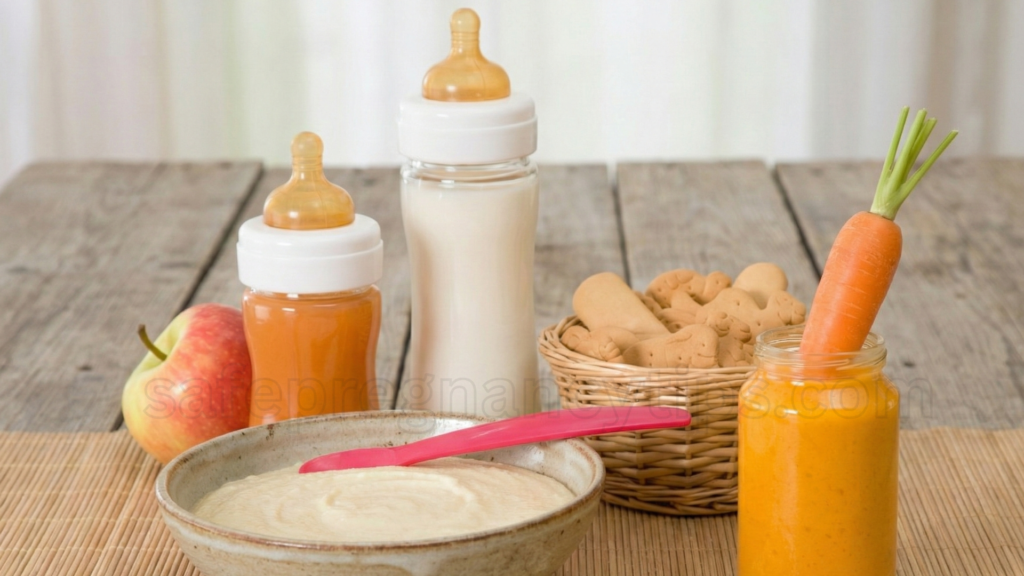
- Starting solid foods, which can slow digestion if low in fiber.
- Mild dehydration (more common in older babies in hot weather).
- Not enough fiber-rich foods after 6 months.
- Minor illness or changes in routine.
Baby hard stool causes often link to diet changes.
Baby Constipation Symptoms
Watch for these signs:
- Hard, dry, or pellet-like poop
- Crying or discomfort while trying to poop
- Bloated or firm tummy
- Fewer bowel movements than usual for your baby
- Small, hard balls of poop
- Straining with a red face
Baby Constipation by Age (Important)
Newborn Constipation (0–1 Month)
Newborn constipation is less common in breastfed babies but can happen in formula-fed ones. Newborn constipation home remedies focus on gentle methods like warm baths or light tummy rubs. Avoid anything inserted or forced. Always talk to your doctor first for newborns.
Baby Constipation in 3 Months
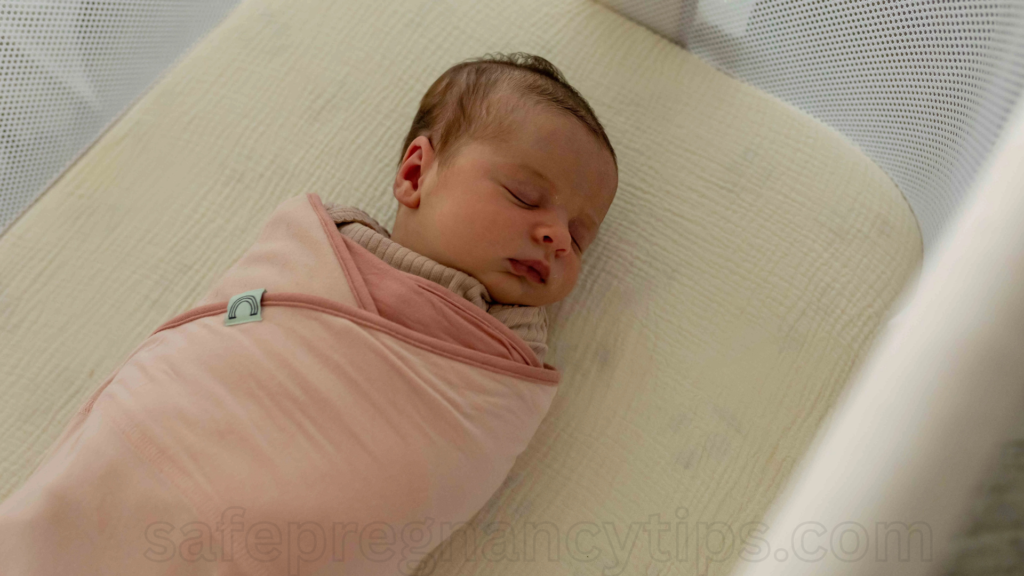
Baby constipation in 3 months often happens as the digestive system matures. Baby not pooping for 2 days might occur, but if the baby is feeding well and playful, it is usually okay. Gentle movement and tummy time can help.
Constipation After Starting Solid Foods (6 Months+)
Safe Home Remedies for Baby Constipation
These gentle remedies are safe for most babies (always check with your pediatrician first):
- Warm bath – Let your baby soak in lukewarm water to relax the tummy muscles.
- Bicycle legs – Gently move your baby’s legs in a cycling motion while lying on their back.
- Gentle tummy massage – Use the baby constipation massage technique: Warm your hands, then make soft clockwise circles on the tummy or draw an “I love U” shape (I down the left side, upside-down U across, U down the right).
- Feeding tips – Burp well after feeds and keep a consistent schedule.
- Hydration – For babies over 6 months, small sips of water may help if approved by a doctor.
- High-fiber foods (6+ months) – Offer pureed fruits and veggies.

Best Foods That Help Baby Constipation (6 Months+)
Once your baby starts solids, try these:
- Pear puree – Gentle and effective.
- Prunes (pureed or juice in small amounts) – A classic helper.
- Peaches – Soft and hydrating.
- Papaya – Naturally soothing for digestion.
- Oats – Good fiber source.
- Vegetables like peas or carrots – Mashed well.
Constipation in Formula Fed Baby
Constipation in formula fed baby happens more often than in breastfed babies. Formula can be harder to digest if mixed too thickly. Always follow the instructions exactly – use the right scoop and water amount. Do not switch formulas without talking to your pediatrician. A proper feeding routine helps too.
What NOT to Do (Important Safety Section)
For your baby’s safety, avoid:
- Giving honey to babies under 1 year (risk of botulism).
- Using adult laxatives or stool softeners.
- Forceful methods like inserting thermometers or cotton swabs.
- Random herbal teas or remedies.
- Castor oil or any strong oils.
When to Call a Doctor
Contact your pediatrician right away if you notice:
- Blood in the poop
- Fever
- Frequent vomiting
- Baby refusing feeds or seeming very lethargic
- Severe tummy swelling
- Baby not pooping for 2 days (especially in newborns)
- Signs of dehydration (dry mouth, fewer wet diapers)
FAQs
Is constipation common in babies?
Yes, it is very common, especially during feeding changes or starting solids. Most cases improve with simple care.
Is it normal if my baby does not poop every day?
Yes, many babies, especially breastfed ones, can go several days without pooping if they are comfortable and growing well.
What if my baby is not pooping for 2 days?
If your baby is happy and feeding normally, it may be fine. Try gentle remedies and monitor. See a doctor if other symptoms appear.
What are the safest newborn constipation home remedies?
Warm baths, bicycle legs, and light tummy massage are safe. Always consult your doctor before trying anything for newborns.
Can formula milk cause constipation?
Yes, constipation in formula fed baby can happen if the mix is too thick or during formula changes.
What is the best baby constipation massage technique?
Gentle clockwise circles or the “I love U” motion on the tummy with warm hands works well for many babies.
Which foods help baby constipation fast?
Pureed pear, prunes, peaches, and papaya often help soften stools quickly after 6 months.
How long does constipation last in babies?
It usually improves in a day or two with home care. If it lasts longer, check with a doctor.
When should I worry about hard stools?
Worry if hard stools come with pain, blood, or other red flags like fever or poor feeding.
When should I take my baby to a doctor?
Take your baby if there is blood, fever, vomiting, refusal to feed, or severe discomfort.
Conclusion
Baby constipation: causes, symptoms & home remedies are usually manageable with patience and gentle care. Most babies go through this phase and come out fine. Stay calm, try safe steps like tummy massage, and trust your instincts. When in doubt, reach out to your pediatrician – they are there to help. You are doing an amazing job caring for your little one!