Finding out you’re pregnant is a beautiful, life-changing moment. Whether it’s your first time or you’re welcoming another little one, the first month brings quiet wonder as your body begins nurturing new life.
You might feel excited, a bit nervous, or simply amazed. That’s all normal. This guide walks you through everything in a gentle, supportive way so you can start this journey feeling informed and cared for.

The first month (weeks 1–4, counted from the first day of your last period) is when conception usually happens and the tiny embryo starts forming. Many changes are happening inside, even if you don’t feel much yet.
Pregnant Woman Cradling Belly Peaceful Home Setting Stock Photos – Free & Royalty-Free Stock Photos from Dreamstime.
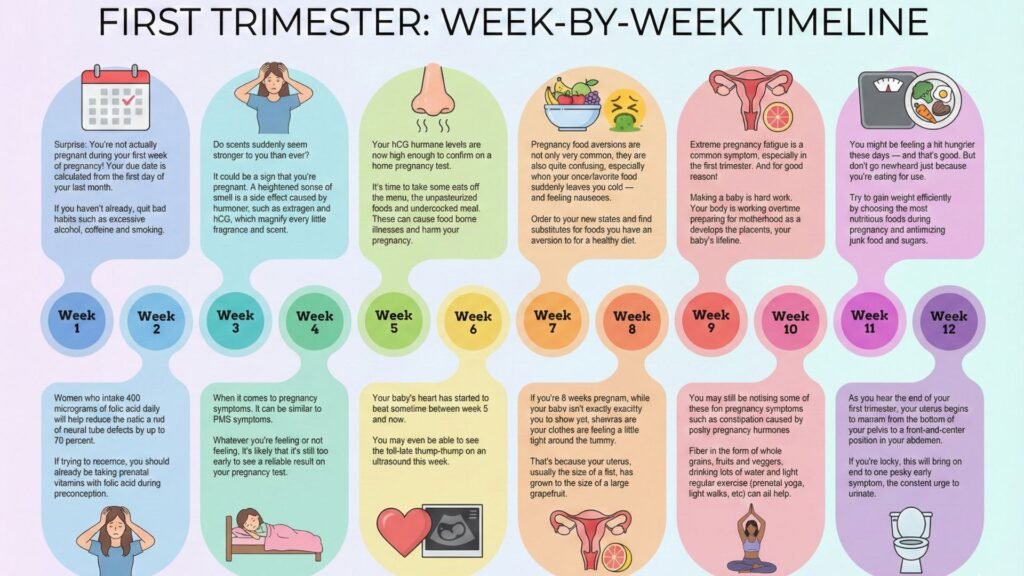
Week-by-Week Table (Weeks 1–4)
Here’s a simple breakdown to help you follow along.
| Week | Baby Development | Common Symptoms | What to Do |
|---|---|---|---|
| 1 | Body prepares for ovulation; uterine lining thickens | None yet (feels like pre-period) | Track cycle if planning; focus on healthy habits |
| 2 | Ovulation occurs; egg released | Mild bloating or energy changes possible | Eat balanced meals; stay active gently |
| 3 | Fertilization: sperm meets egg, zygote forms | Very early – often no signs | Take positive test if due; begin prenatal vitamin (ask doctor) |
| 4 | Blastocyst implants; embryo starts cell division; neural tube begins | Missed period, fatigue, tender breasts, mild cramps | Confirm pregnancy; rest; eat folate-rich foods |
First-Month Pregnancy Symptoms
Hormones rise quickly after implantation, causing noticeable changes for many women.
Symptoms can start subtly and vary a lot — every pregnancy is unique.
Common early signs:
- Missed period (biggest clue for most)
- Feeling very tired even after rest
- Breasts feel sore, fuller, or tingly
- Mild nausea or food aversions (any time of day)
- More frequent urination
- Light cramping (like period pains, but milder)
- Bloating or constipation
- Heightened sense of smell
- Mood swings or emotional sensitivity
Pregnant Woman Cradling Belly Peaceful Home Setting Stock Photos – Free & Royalty-Free Stock Photos from Dreamstime
Mild vs Urgent Symptoms – What to Do in an Emergency
It’s helpful to know what’s typical versus what needs quick attention. Most early changes are mild and normal, but trust your instincts—if something feels off, don’t wait.
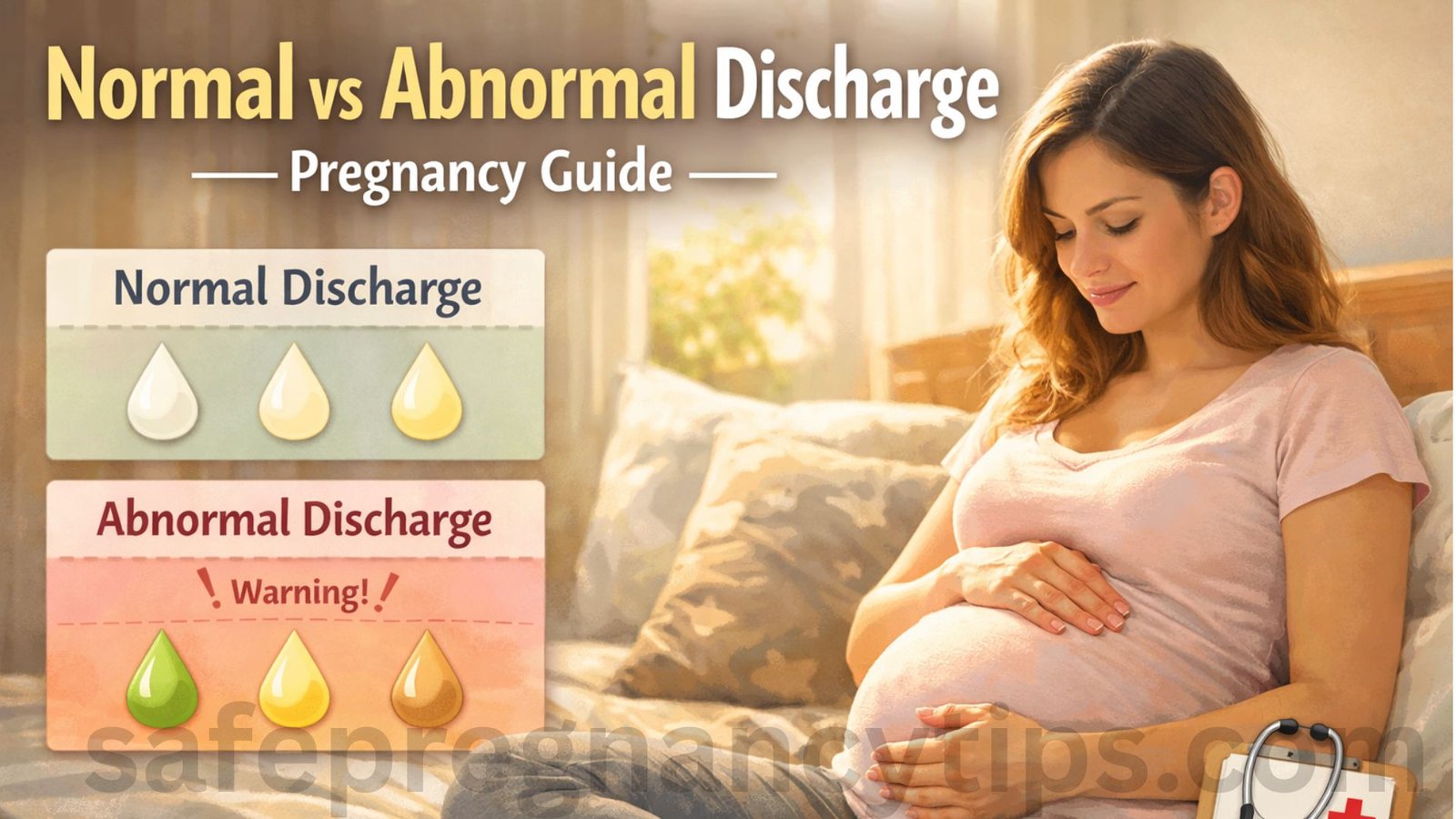
Mild & Normal (Usually No Immediate Worry – Monitor & Call Doctor if Ongoing):
- Light spotting (pink/brown, light flow like a few drops – often implantation)
- Mild cramps (like mild period discomfort, comes and goes)
- Occasional nausea without constant vomiting
- Fatigue that eases with rest or small naps
Urgent – Seek Help Right Away (Call Your Doctor, Go to Urgent Care, or Emergency Room):
- Heavy bleeding (soaking a pad in an hour or less, bright red, with clots)
- Severe pain (sharp, one-sided, or constant abdominal/pelvic pain)
- Dizziness, fainting, or feeling like you might pass out
- High fever (over 100.4°F / 38°C) with or without chills
- Severe vomiting where you can’t keep down water or food for 12+ hours (risk of dehydration)
Emergency Steps to Take Immediately:
- If heavy bleeding or severe pain: Call your doctor or go to the nearest emergency room right away—don’t drive if dizzy; ask someone to take you or call emergency services.
- For fever or extreme vomiting: Contact your provider or urgent care promptly—dehydration can happen fast in pregnancy.
- Save your doctor’s number and nearest hospital in your phone now for peace of mind.
- When in doubt, always call—providers prefer you check early rather than wait.
You’re doing the right thing by staying aware.
What to Do Right Away After a Positive Test
Celebrate this special news in your own way!
Practical first steps:
- Retest if needed or see doctor for confirmation
- Start a prenatal vitamin right away (ask your doctor first)
- Switch to healthy, whole foods
- Drink more water throughout the day
- Get extra rest — naps are wonderful now
- Share with a supportive partner, friend, or family member
These gentle actions build a strong foundation.

First-Month Pregnancy Diet (Best Foods + Hydration)
Eating well now supports rapid early development.
Focus on nutrient-rich choices:
- Folate sources: spinach, kale, lentils, fortified cereals
- Vitamin C: oranges, strawberries, bell peppers
- Protein: eggs, chicken, beans, Greek yogurt
- Whole grains: oats, quinoa, brown rice
- Calcium: milk, yogurt, fortified plant milk
- Healthy fats: avocado, nuts, seeds
Tips for nausea: small frequent meals, ginger tea, crackers by bed.
Hydration: Carry a water bottle; aim for 8–10 glasses. Add lemon or cucumber for flavor if plain water feels boring.

What to Avoid (Common Mistakes)
Protect your baby by limiting certain things:
- Alcohol – best to avoid completely
- Smoking/tobacco – including secondhand
- Raw/undercooked meat, eggs, sushi
- High-mercury fish (shark, swordfish, king mackerel)
- Excess caffeine (discuss limit with doctor)
- Unpasteurized dairy or juices
- Very hot baths/saunas
- Cleaning products with strong fumes
Small swaps make a big difference.
Supplements (Doctor-Approved Only)
Prenatal vitamins provide key nutrients like folic acid for neural tube support.
Ask your doctor before taking any supplement — they’ll recommend the best option for your needs.
Never start extras without professional advice.
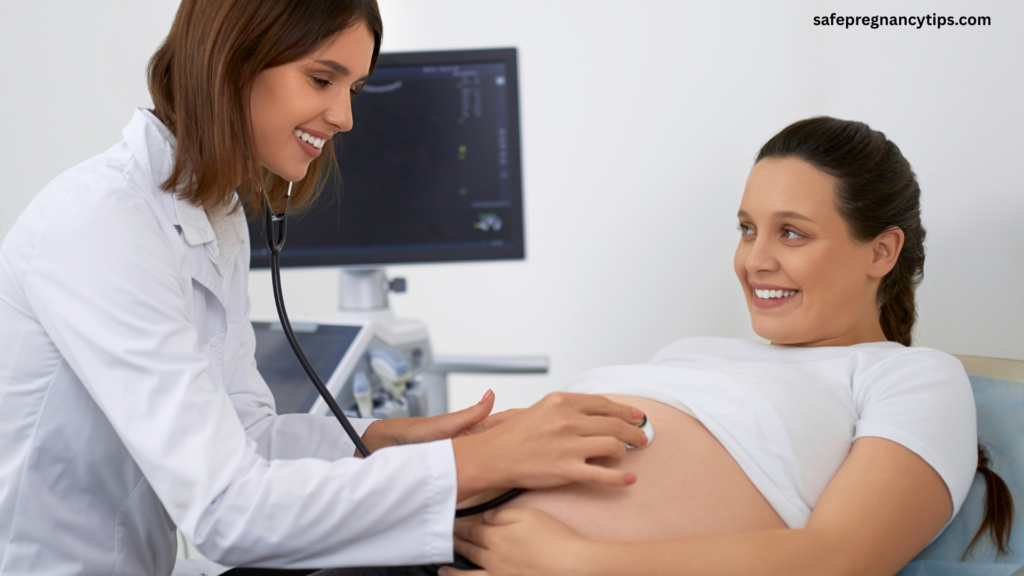
When to Schedule Your First Prenatal Visit
Book as soon as you know — most aim for 6–10 weeks.
What happens: Confirm dates, health history, possibly early ultrasound, blood tests.
It’s your chance to ask everything on your mind.
Daily Routine Tips (Sleep, Stress, Gentle Activity)
Simple habits help you feel your best.
- Sleep on your side (left is often comfortable); use pillows for support
- Manage stress: short walks, deep breathing, favorite music
- Gentle movement: 20–30 min daily walk or prenatal yoga (doctor okay first)
- Limit heavy lifting or high-risk activities
Listen to your body — rest is productive now.

FAQs
How soon after conception can symptoms start?
Some notice changes within days of implantation, but many start around week 4–6.
Is light spotting okay in first month?
Light implantation spotting is common. Heavy or painful bleeding needs doctor check right away.
Can I keep exercising?
Gentle activities like walking are usually safe — confirm with your doctor.
When will nausea get better?
For many, it peaks in first trimester and eases by week 12–14.
Should I tell work/family early?
Personal choice — many wait after first scan for reassurance.
Is hair dye safe now?
Many women do it; ask doctor about safest timing/products.
What if I’m super anxious?
Normal — talk to loved ones or provider; support helps a lot.
Can I fly short trips?
Usually fine early on — check with doctor for longer travel.
Conclusion
Your first month of pregnancy is the quiet beginning of an incredible adventure. By choosing nourishing foods, resting well, staying hydrated, and connecting with your doctor (especially if anything feels urgent), you’re already giving your baby wonderful care.
Be kind to yourself — this is just the start. You’ve got this, one gentle step at a time.
Wishing you peace, health, and joy on this special path.
READ MORE
Best Iron-Rich Foods During Pregnancy (For Healthy Baby Growth)
Foods to Avoid During Pregnancy: A Gentle Guide for Expecting Moms
First Month Pregnancy: Symptoms, Baby Growth, Diet, What to Avoid & Complete Guide